does vitamin d help diabetes Everything you need to know about vitamin d — beata lewis md
Can Vitamin D Help Prevent the Development of Type 2 Diabetes?
Exploring the Potential Link between Vitamin D and Diabetes
 Type 2 diabetes, a chronic condition affecting millions of individuals worldwide, is characterized by high blood sugar levels. While there are numerous factors that contribute to the development of this condition, recent research suggests that there may be a relationship between vitamin D and the prevention of type 2 diabetes.
Adequate vitamin D levels have long been known to be crucial for bone health, but emerging evidence now suggests its potential benefits in reducing the risk of developing type 2 diabetes. It is believed that vitamin D supplementation may have a protective effect by improving insulin sensitivity and decreasing insulin resistance, key factors in the development of this metabolic disorder.
Insulin resistance occurs when the body’s cells fail to respond effectively to insulin, the hormone responsible for regulating blood sugar levels. Several studies have demonstrated a significant association between low circulating vitamin D levels and insulin resistance, providing a rationale for further investigation into this potential link.
Understanding the Mechanism
So, how exactly does vitamin D impact insulin resistance and potentially contribute to diabetes prevention? Scientists have proposed various mechanisms by which this vital nutrient can influence glucose metabolism and insulin action.
One theory suggests that vitamin D may enhance insulin sensitivity by increasing the expression of insulin receptors on the surface of cells and improving their binding capacity. This means that the body’s cells are better able to respond to insulin, leading to improved glucose uptake and utilization.
Moreover, vitamin D may also play a role in reducing chronic inflammation, which is known to contribute to the development of insulin resistance. By modulating the immune system and suppressing inflammatory pathways, vitamin D may help to improve insulin sensitivity and reduce the risk of type 2 diabetes.
Exploring the Scientific Evidence
Several observational studies have investigated the association between vitamin D levels and the risk of developing type 2 diabetes. A large-scale study involving over 5,000 individuals found that those with higher vitamin D levels had a significantly reduced risk of developing diabetes compared to those with lower levels.
Additionally, a systematic review and meta-analysis of multiple studies concluded that vitamin D supplementation was associated with a modest reduction in the risk of type 2 diabetes. Although further research is needed to more definitively establish a cause-and-effect relationship, these findings are promising and suggestive of a potential role for vitamin D in diabetes prevention.
:max_bytes(150000):strip_icc()/Can-vitamin-d-prevent-respiratory-infections-4842761_V12-ea8d470cf372477cbd4d2b03ee93fe09.gif) Beyond Diabetes: Other Health Benefits of Vitamin D
Beyond Diabetes: Other Health Benefits of Vitamin D
While the potential link between vitamin D and diabetes prevention is exciting, it’s important to note that this nutrient offers numerous health benefits beyond its role in glucose metabolism. Researchers have found evidence suggesting that maintaining adequate vitamin D levels may have protective effects against respiratory infections, among other conditions.
A study published in the British Medical Journal demonstrated that vitamin D supplementation reduced the risk of respiratory infections, particularly in individuals with low baseline vitamin D levels. These findings suggest that optimizing vitamin D status can support a healthy immune system and potentially reduce the incidence of respiratory illnesses.
In addition to its potential role in diabetes prevention and respiratory health, vitamin D has also been associated with a lower risk of certain cancers, cardiovascular disease, and autoimmune disorders. Adequate vitamin D levels are vital for overall health and well-being, so it’s important to ensure you’re getting enough of this essential nutrient.
Conclusion
While more research is still needed to fully understand the relationship between vitamin D and the prevention of type 2 diabetes, the existing evidence suggests a potential benefit. Adequate vitamin D levels have been linked to improved insulin sensitivity and reduced risk of insulin resistance, both of which are key factors in the development of diabetes.
Beyond its potential role in diabetes prevention, maintaining healthy vitamin D levels is important for a range of other health benefits, including respiratory health and immune function. So, whether through sun exposure or supplementation, don’t overlook the crucial role that vitamin D plays in supporting your overall well-being.
If you are looking for Does Vitamin D Help Arthritis Pain you’ve visit to the right web. We have 5 Images about Does Vitamin D Help Arthritis Pain like Everything You Need to Know About Vitamin D — Beata Lewis MD, Does Vitamin D Help Arthritis Pain and also Does Vitamin D Help Arthritis Pain. Read more:
Does Vitamin D Help Arthritis Pain
 vitaminwalls.blogspot.comarthritis vitamin symptoms vitaminwalls supplements rheumatoid prevented persian
Everything You Need To Know About Vitamin D — Beata Lewis MD
 www.beatalewismd.comCan Vitamin D Help Prevent The Development Of Type 2 Diabetes?
nutrition.orgvitamin diabetes relationship type between prevent development help nutrition insulin resistance asn contributor member november
Thursday June 3rd – Education And Innovation
mrjeremycameron.cominfections respiratory deficiency treating bodily fluids transported
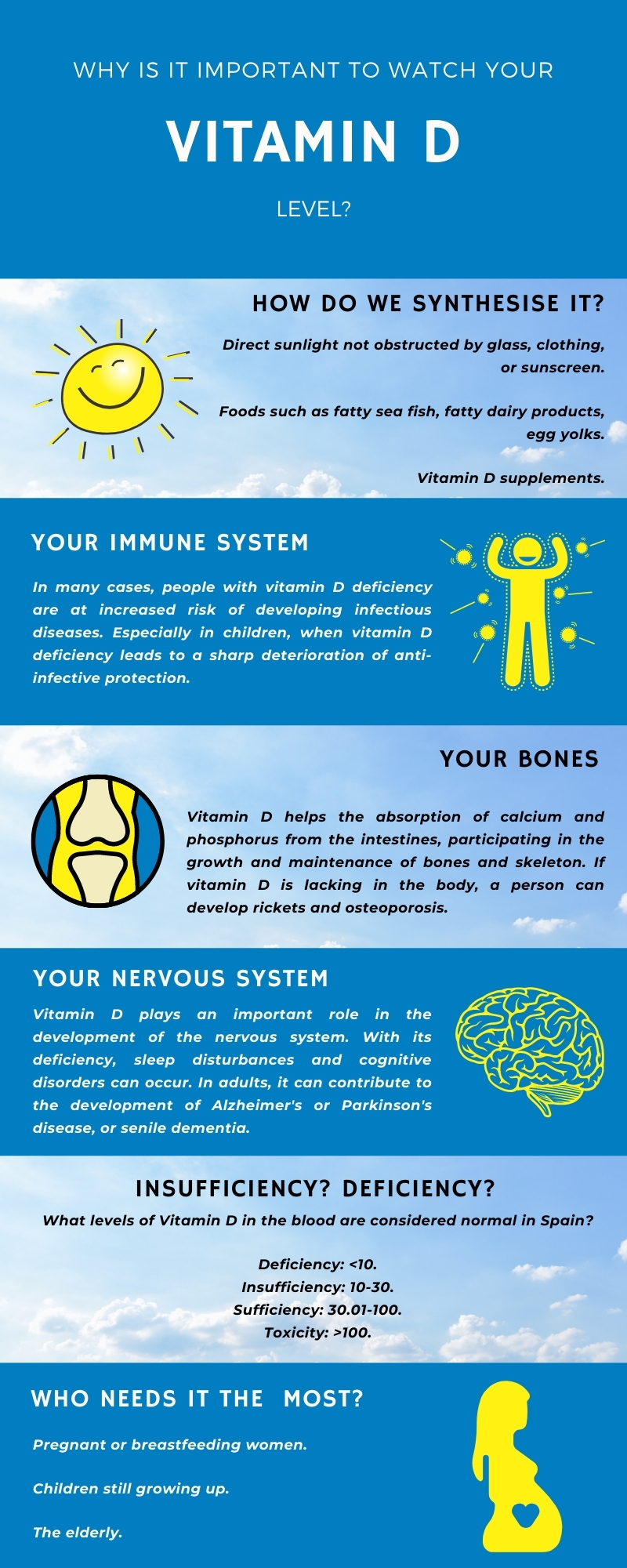
Vitamin D: To Take Or Not To Take? - Clínica La Siesta
 clinicalasiesta.comvitamin take
Can vitamin d help prevent the development of type 2 diabetes?. Everything you need to know about vitamin d — beata lewis md. Infections respiratory deficiency treating bodily fluids transported